THE DARK HALL
INAUGURAL CLASS — 2026

The Dark Hall of Fame

For those who helped mold the horror industry.
For those who turned fear into what we love.

INDUCTEE #001
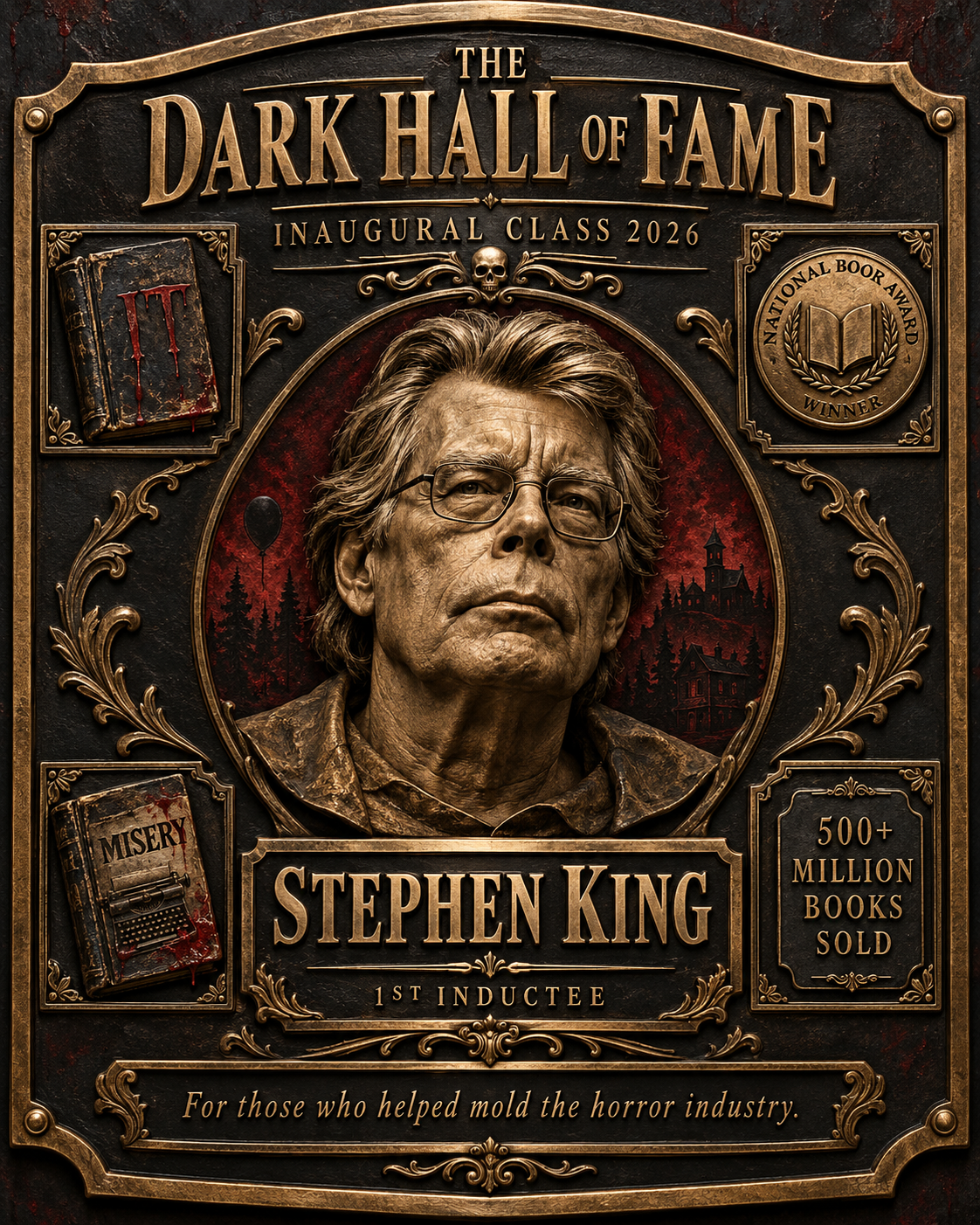
Stephen King Dark Hall of Fame plaque

Stephen King

Stephen King is named very aptly.

The man is the absolute King of fictional horror writing.

That is the beginning and end of the discussion.

There is Stephen King on Tier 1. Edgar Allan Poe sits a tier underneath him. Then there is everybody else.

King has given the horror community more classics than The Rolling Stones have given rock and roll. His roaring prowess as a titan of the industry has produced incredible stories and kicked open the doors of imagination for literally millions of readers across the world.

For more than fifty years, Stephen King has been frightening audiences.

And although not every King masterpiece has translated perfectly to film, just think about what horror would lose without him:

It.
The Shining.
Pet Sematary.
Carrie.
Christine.
Misery.

And that is barely scratching the surface.

King’s understanding of horror also extends far beyond monsters, supernatural forces and things hiding in the dark. Some of his greatest stories are rooted entirely in the horrors human beings inflict on one another.

The Shawshank Redemption.

The Green Mile.

Stories about ordinary people being thrown into horrifying circumstances through injustice, cruelty, corruption and falsehoods. King understands that sometimes the most terrifying monster in the room is simply another person.

His influence stretches well beyond the books themselves.

King has appeared as an actor, worked as a producer, and even stepped behind the camera as a director. More importantly, his work has influenced generations of filmmakers, writers and storytellers who came after him.

Entire corners of modern horror exist because Stephen King helped build the road leading to them.

His stories have terrified children.

They have terrified adults.

They have been passed from one generation to another, adapted and readapted, praised, criticized, rediscovered and argued about endlessly.

That is what happens when your work becomes bigger than the person who created it.

Stephen King did not simply contribute to horror.

He helped define it.

And because of that, there could be no more appropriate first name to enter these halls.

STEPHEN KING — 1st Inductee, Class of 2026
INDUCTEE #002
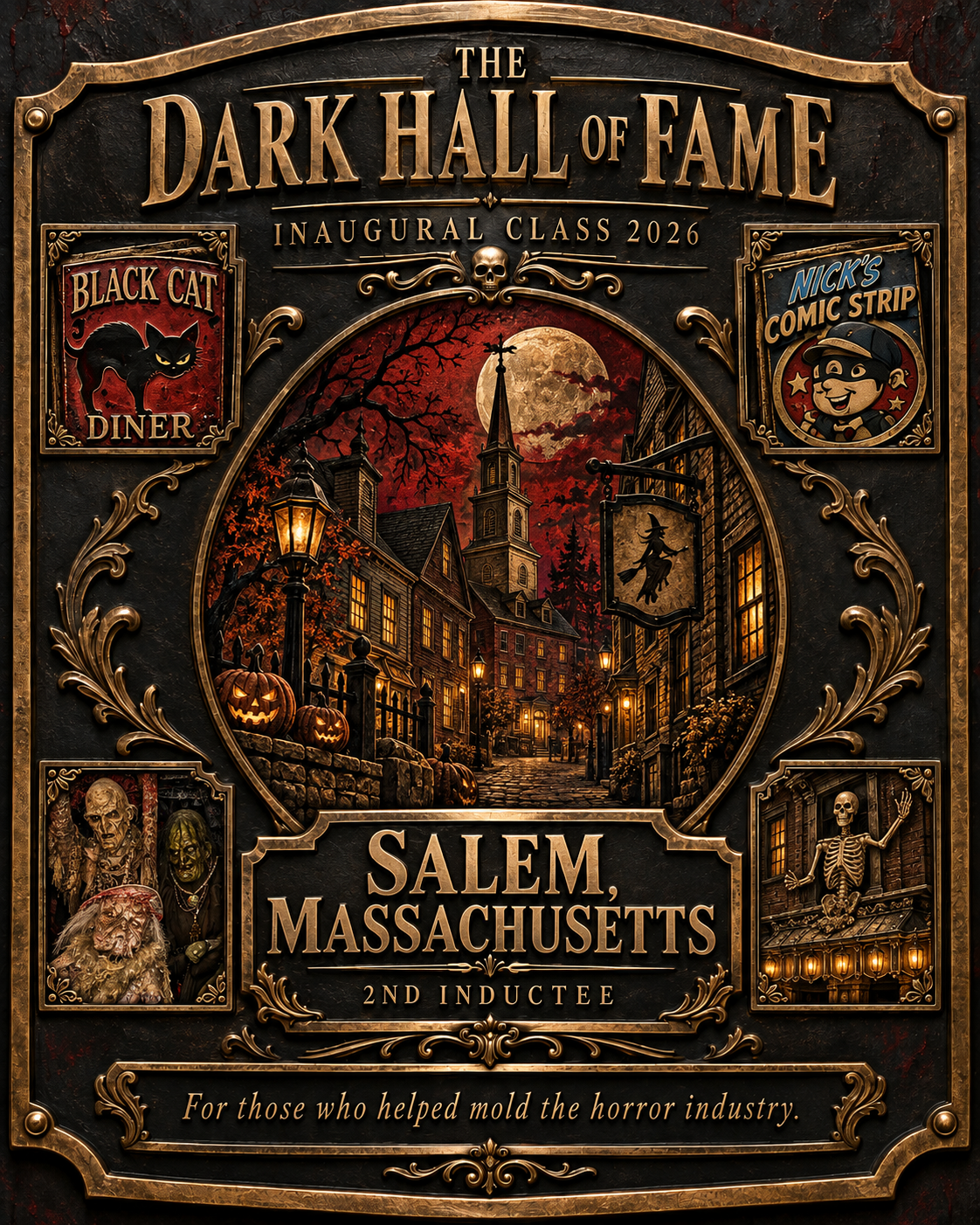
Salem Massachusetts Dark Hall of Fame plaque

Salem, Massachusetts

Salem, Massachusetts.

There may be no more exciting place in America to be during Halloween season.

The area’s connection to witchcraft, fear and the paranormal reaches all the way back to the 1600s and the infamous Salem witch trials. The historical events stretched beyond the boundaries of modern Salem itself, but the city has become permanently intertwined with that history — and today it wears that association proudly.

During my own visit, I was completely enthralled.

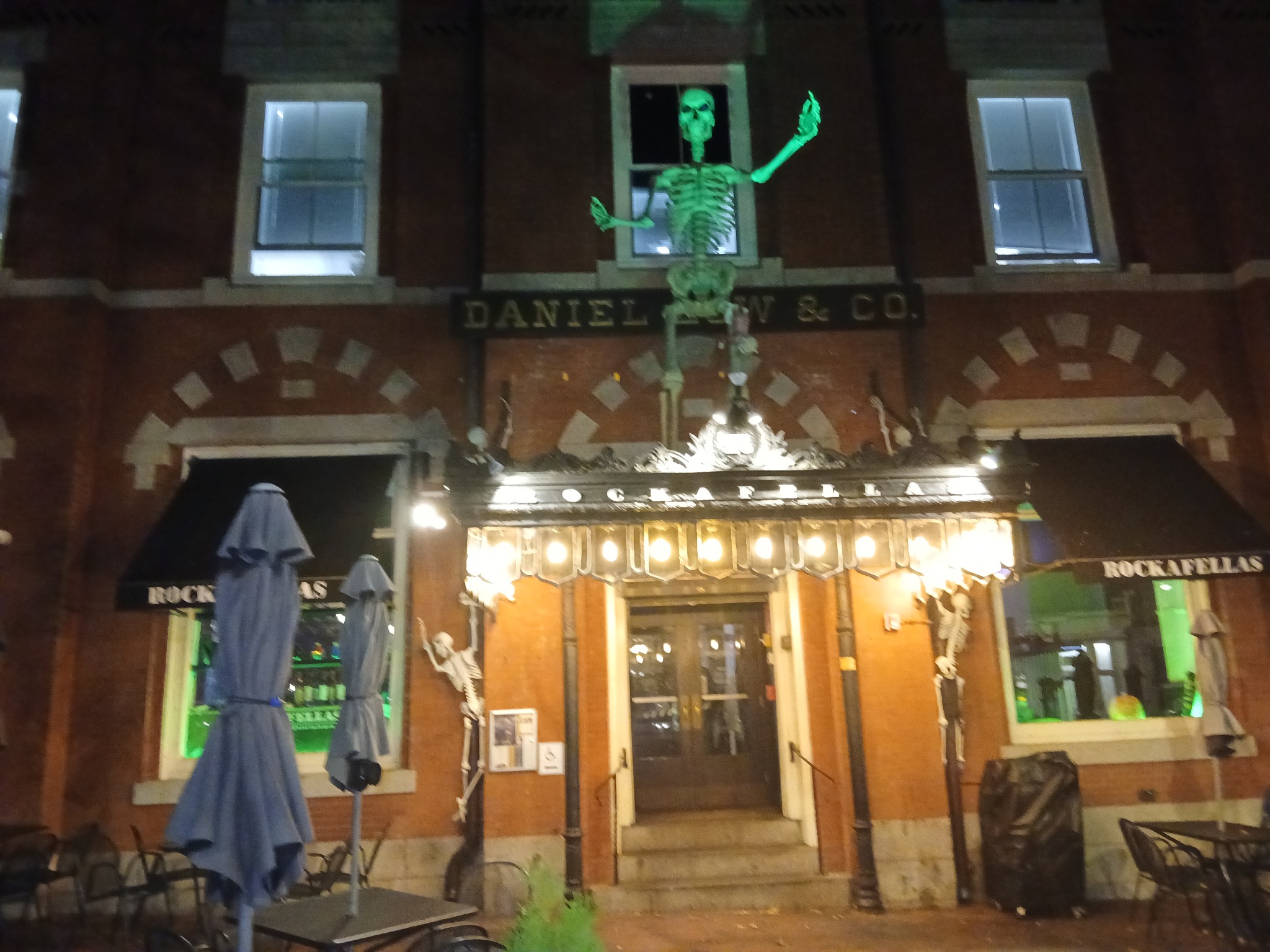
There is an atmosphere in Salem that is difficult to explain until you experience it yourself. Walking down those cool, breezy streets, surrounded by centuries-old buildings and stories of people long gone, you can almost convince yourself that something is breathing down the back of your neck.

You feel watched.

And somehow, that is both the best and worst part of being there.

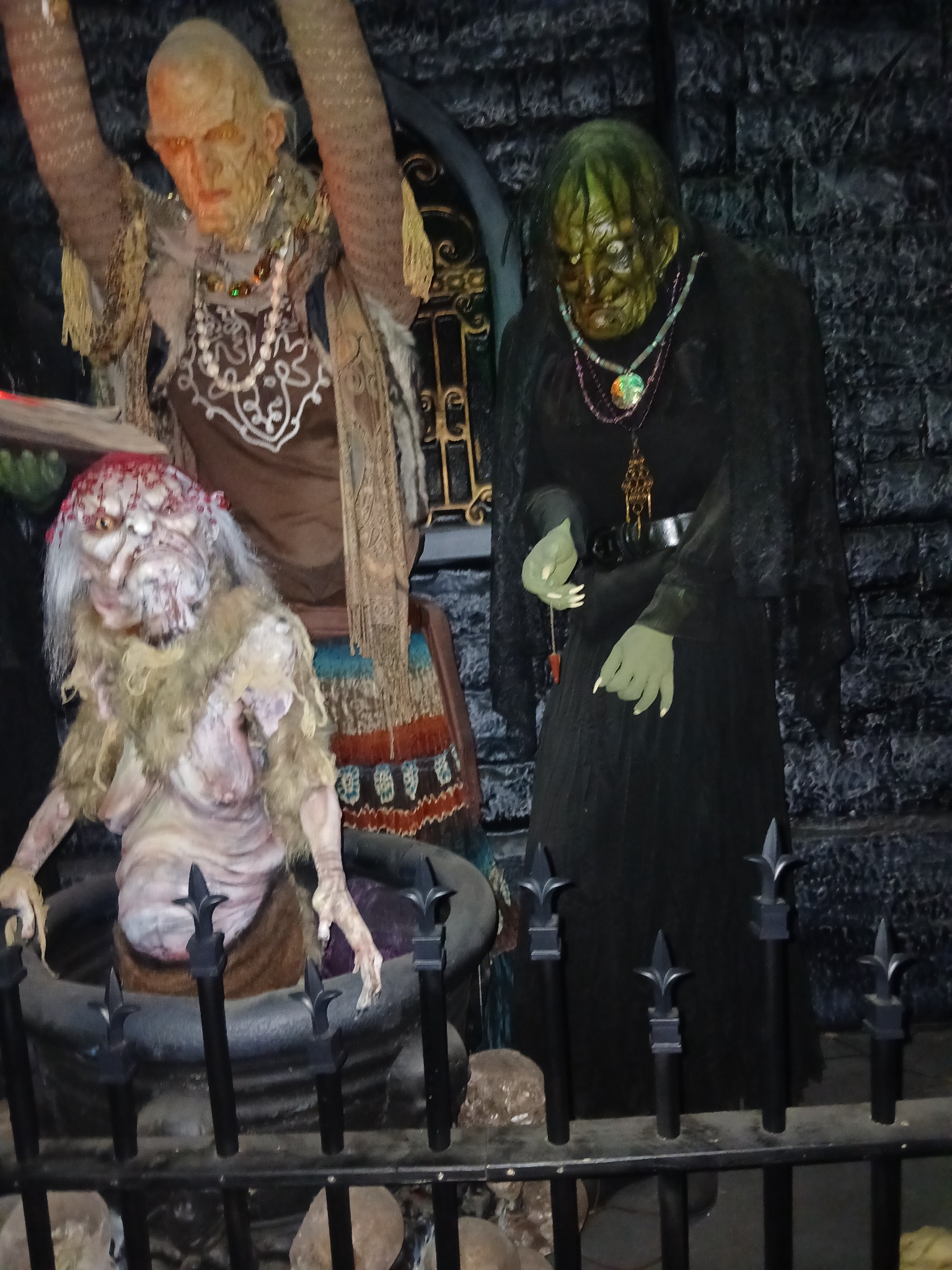
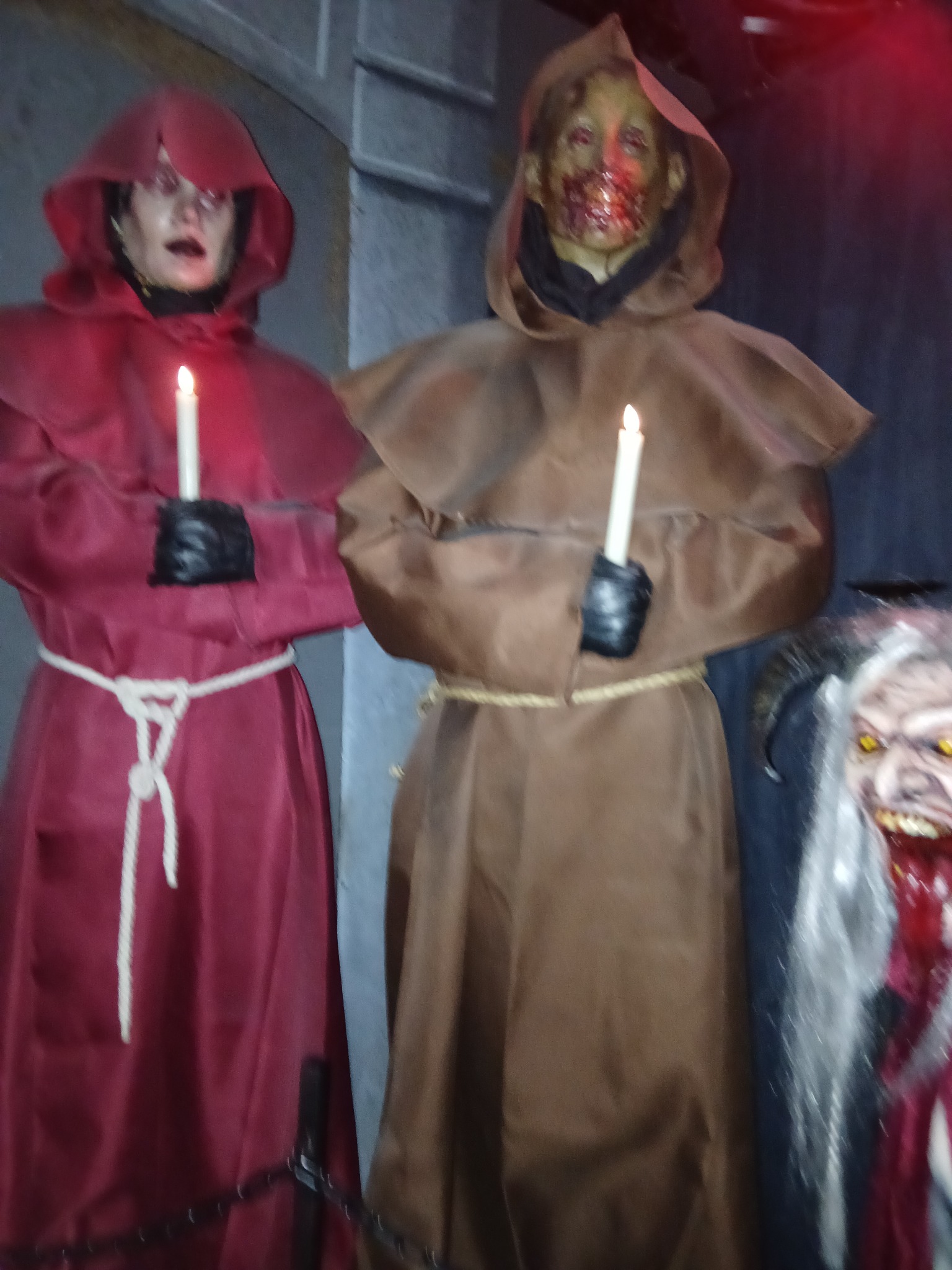
Modern Salem has embraced that history and transformed October into something genuinely special. The parades, decorations and festivities are second to none. You get the impression that the people responsible for putting everything together have actually done their homework — and, more importantly, that they genuinely love horror culture.

Haunted tours.

Witchcraft museums.

Historic locations.

Odd shops.

Paranormal attractions.

You can spend days wandering around Salem during October and still feel like you missed something.

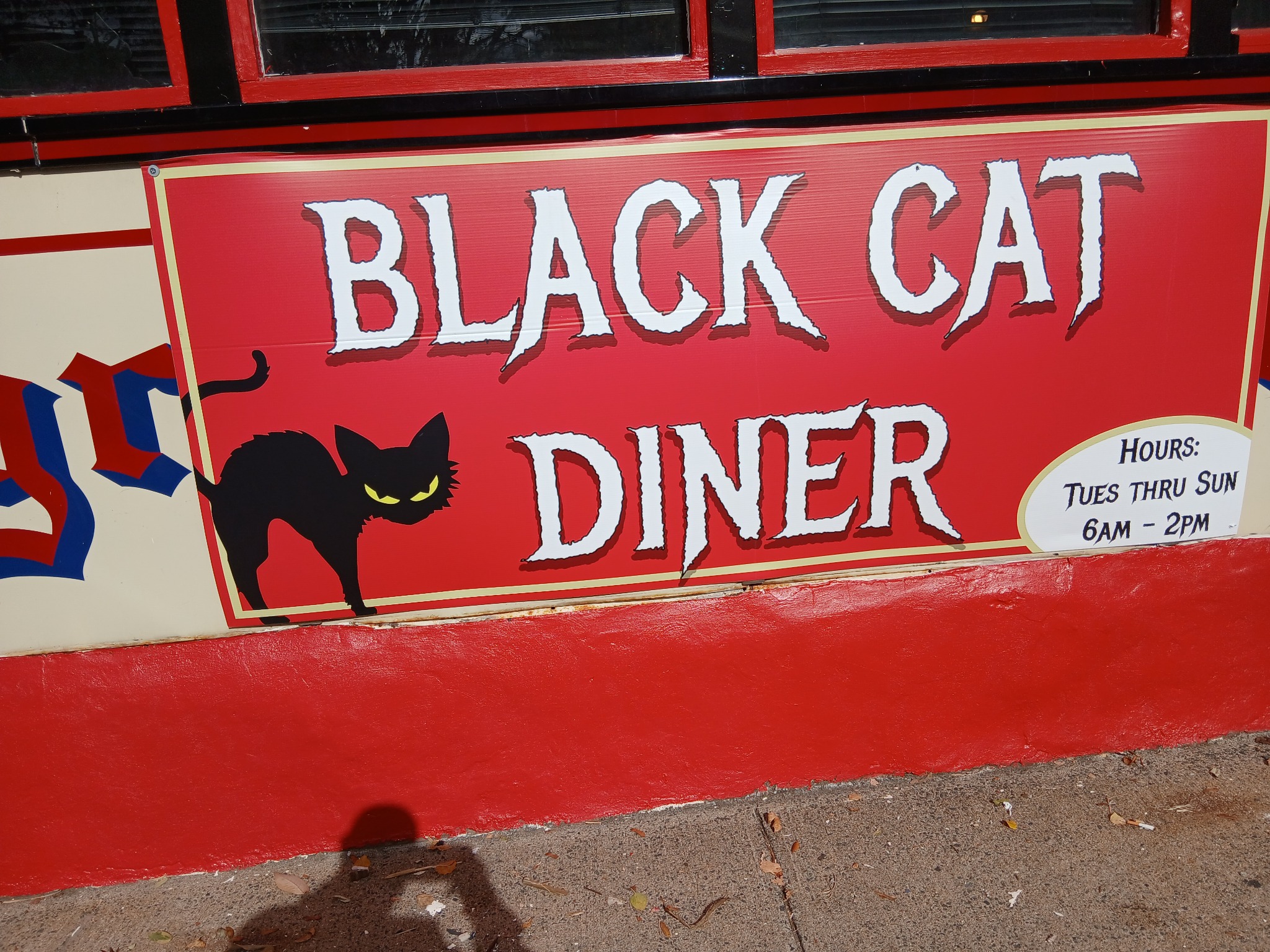
Even the smaller places contribute to the atmosphere. During my visit, the Black Cat Diner became one of those memorable stops — the kind of old-fashioned greasy-spoon experience that fills you with nostalgia before you've even finished the meal.

And that is one of Salem's greatest strengths.

It isn't simply a town with a dark chapter in its history.

It has become an experience.

If you have never made the trip during the fall months, put it on the list.

Salem has an uncanny ability to show you something different every time you visit. Going back is almost like rewatching a Stanley Kubrick film: you notice another detail, another corner, another little piece of the atmosphere that somehow escaped you the first time.

Very few places have contributed more to the imagery and mythology surrounding American witchcraft.

Even fewer have turned that history into a modern celebration of horror without completely losing the weight of what happened there.

Salem, Massachusetts does not merely belong near the Dark Hall of Fame.

It belongs near the front of the building.

SALEM, MASSACHUSETTS — 2nd Inductee, Class of 2026

INDUCTEE #003
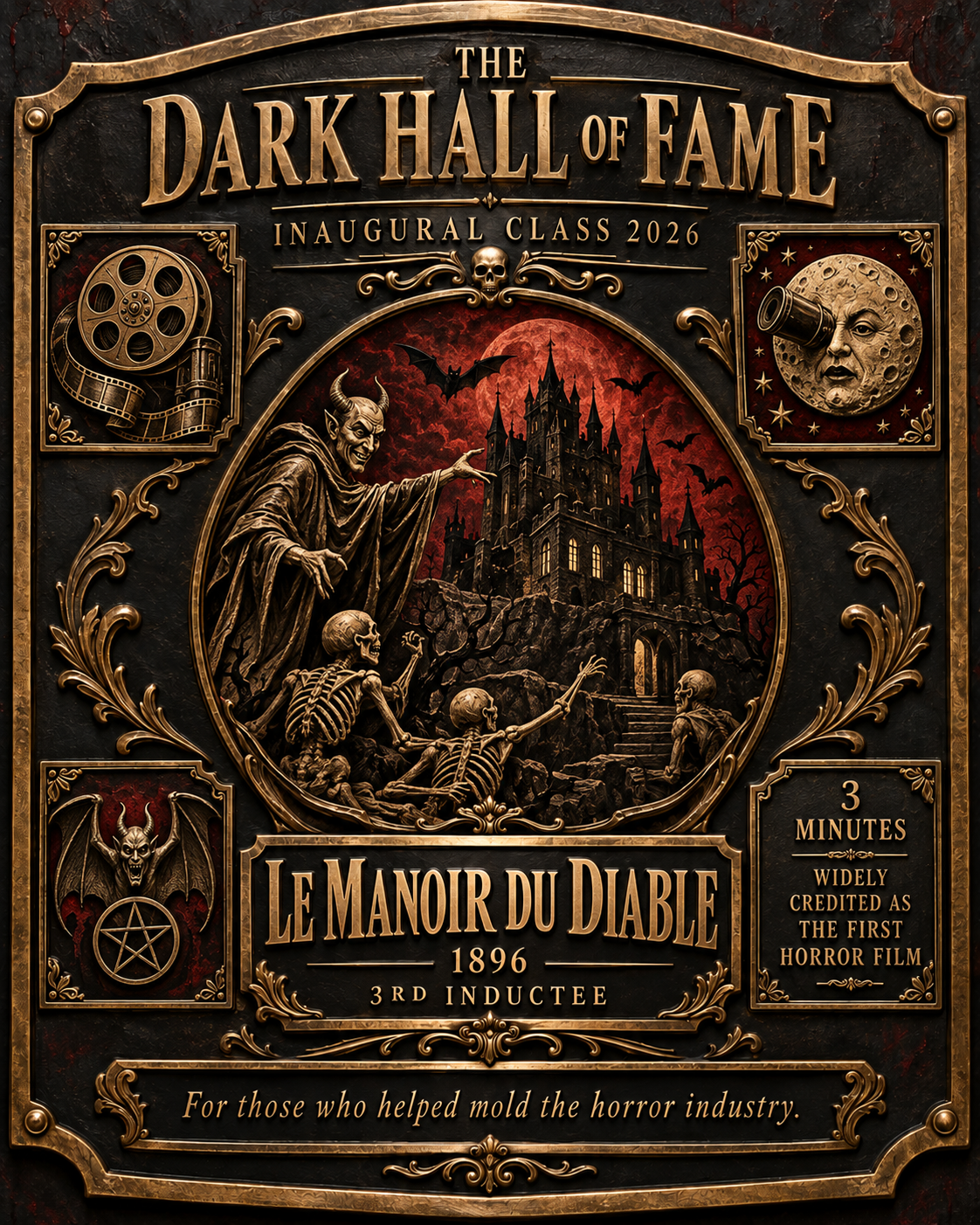
Le Manoir du diable Dark Hall of Fame plaque

Le Manoir du diable (1896)

Three minutes.

That is approximately all Georges Méliès needed to help create an entire genre.

Released in 1896, Le Manoir du diable — often translated as The House of the Devil or The Haunted Castle — is widely credited as the first horror film ever made.

Think about that for a second.

Before Michael Myers stalked Haddonfield.

Before Norman Bates stood behind the desk at his motel.

Before Dracula, Frankenstein, Freddy Krueger, Jason Voorhees, or any of the countless monsters that followed them onto movie screens...

There was this.

A three-minute silent short made at the very dawn of cinema.

And somehow, more than a century later, we are still walking through the door it helped open.

Georges Méliès was one of cinema’s earliest great illusionists. He understood something filmmakers would continue exploiting for generations: movies could show audiences things that could never exist in front of them.

Demons.

Skeletons.

Ghosts.

Transformation.

People appearing and disappearing before your eyes.

What audiences now recognize as special effects were, at the time, almost indistinguishable from magic.

Le Manoir du diable uses those tricks to create a bizarre supernatural world filled with bats, apparitions, witches, devils, skeletons and other imagery that would eventually become permanent fixtures of horror.

Would the film frighten a modern audience?

Probably not.

But that almost misses the point.

Nobody had established what a horror movie was supposed to look like yet.

There was no slasher formula.

No haunted-house blueprint.

No possession movie.

No creature feature.

No psychological horror.

There was barely a movie industry.

Méliès and the earliest filmmakers were discovering the language of cinema while they were speaking it.

And somewhere inside those experiments, horror began to take shape.

That makes Le Manoir du diable more than an old curiosity.

It is an ancestor.

Every horror filmmaker who has ever used darkness, supernatural imagery, practical illusion, monsters or visual trickery owes something — directly or indirectly — to the people who first realized that film could be used to make audiences confront the impossible.

The technology changed.

The monsters changed.

The blood became more realistic.

The stories became more sophisticated.

But the fundamental idea remained:

Turn off the lights. Put something impossible on the screen. And make the audience wonder what they just saw.

Three minutes helped begin more than a century of nightmares.

For that reason, Le Manoir du diable does not enter the Dark Hall of Fame because it is the scariest horror film ever made.

It enters because there was a time when horror cinema barely existed at all.

And then Georges Méliès turned on a camera.

LE MANOIR DU DIABLE — 3rd Inductee, Class of 2026